WANT TO JOIN THE FIRST GLOBAL REGENERATIVE SAFETY IRB? CALL US: (844) 438-7836

FOR PATIENTS

R3 STEM CELL RESEARCH

For Patients: FAQs on IRB-Participating Practices

My clinic told me they participate in an IRB-approved research database. What does that mean for me?


It means your clinic has voluntarily added a layer of independent oversight to how it manages regenerative therapy patients. An Institutional Review Board — a panel that reviews human-subjects research for safety and ethics — has reviewed and approved the consent process, the follow-up schedule, and the way adverse events are tracked and reported. In practice, that generally means more structured documentation, more consistent check-ins after your procedure, and a clearer path for reporting any concern that comes up.

INTERESTED IN RECEIVING REGENERATIVE THERAPY IN AN IRB APPROVED STUDY?
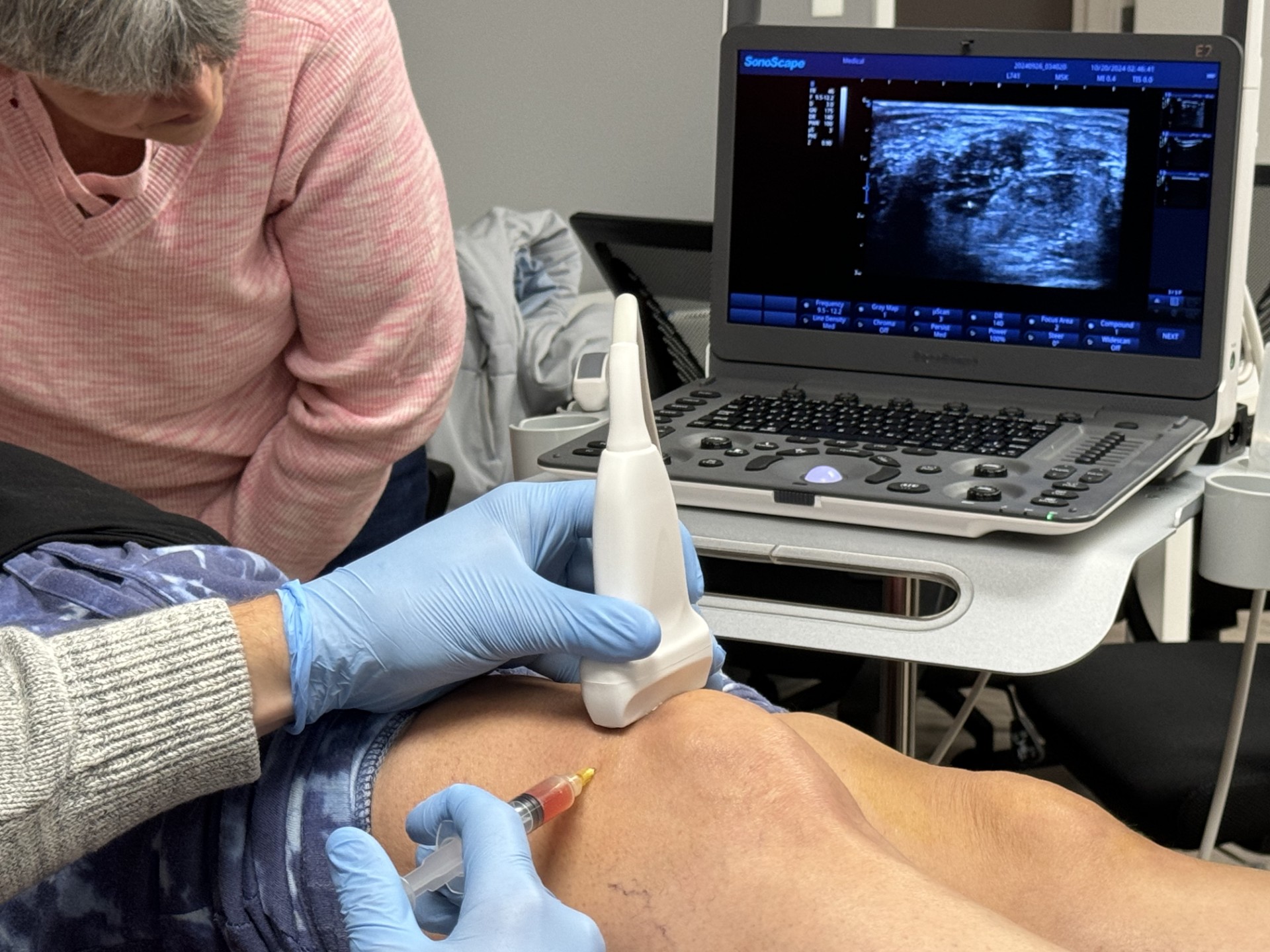
Contact R3 Stem Cell Research today to learn more about current studies and find out if you qualify!

Does IRB participation mean this treatment has been proven safe or effective?

No — and it’s important to be clear about that. IRB approval means the research process around the treatment (consent, monitoring, reporting) has been reviewed and meets accepted standards. It does not mean the FDA has approved the treatment, and it does not mean safety or effectiveness for any specific condition has been established. Regenerative and stem cell therapies remain experimental and are not FDA-approved. IRB oversight is about how information is gathered and monitored, not a verdict on outcomes.

MORE FAQS

Will my treatment, procedure, or price change because my clinic participates?
No. Your procedure and your out-of-pocket cost stay the same either way. What changes is the documentation and follow-up behind the scenes — informed consent forms, scheduled check-ins, and adverse event tracking are added on top of the care you’d otherwise receive.
Participation in the observational study is a separate, voluntary decision from receiving treatment, and it requires its own informed consent. You should be given a clear explanation of what participating involves before you agree, and you can ask your provider directly whether treatment is available to you if you choose not to participate.
Your information is handled under the data protections built into the approved study protocol, including business associate agreements and structured data-handling procedures. Your individual data contributes to an aggregate, multi-site safety dataset rather than being shared or published on its own. You should ask your provider for the specific privacy details in the consent materials before agreeing to participate.
What if I have a reaction or a concern after my procedure? Structured follow-up is one of the core purposes of the study — you can expect regular check-ins where you’re asked how you’re doing, and any concern you report is tracked as part of the adverse event monitoring process, with rapid notification back to your clinic so they can follow up with you. If something feels wrong at any point, contact your provider directly rather than waiting for a scheduled check-in.
Yes. Participation in an IRB-approved observational study is voluntary, and you generally have the right to withdraw your consent at any time. Ask your provider what withdrawing involves and how it may affect your ongoing follow-up care.
It’s reasonable to view IRB participation as a positive sign of organizational discipline — it means a clinic has put a documented, third-party-reviewed process around consent and safety monitoring, rather than handling those things informally. It is not, by itself, a guarantee of a good outcome, and it shouldn’t replace your own due diligence: ask about the provider’s experience, review the specific consent materials, and make sure you understand that the underlying therapy remains experimental regardless of which clinic you choose.
No. Participating in the study doesn’t limit your right to ask your provider questions, request more information, seek a second medical opinion, or decline any part of your care. A good informed consent process should make you feel more informed, not less free to ask questions.
Ask your provider directly, and ask to see the specific IRB-approved consent form for the study (Protocol R3-GOSD-001) before your procedure. You can also contact R3 Stem Cell Research directly to verify a clinic’s participation.

Disclaimer: Stem cell therapy is considered experimental and is regulated by the U.S. Food and Drug Administration (FDA), but it is not FDA-approved. R3 Stem Cell does not offer stem cell therapy as a cure for any medical condition. No statements here have been evaluated or approved by the FDA. This content is for informational purposes only, is not medical advice, and is not a substitute for professional medical consultation, diagnosis, or treatment.

What Drives Us

Peer-reviewed publication

Our researchers actively publish findings in respected, peer-reviewed journals, contributing real data to a field that badly needs it.

Global collaboration

Our research network spans multiple countries, reflecting the international scope of regenerative medicine itself.

IRB-approved oversight

Every study we run is grounded in independent ethical review, not internal assumptions about what's appropriate.

Provider partnership

Our research is designed to be practical and accessible, giving providers a real way to participate in advancing the field.

Toward a New Frontier

Regenerative medicine is still a young field, and its credibility will be built by the quality of the evidence behind it. R3 Stem Cell Research exists to generate that evidence — through rigorous, IRB-approved studies, global collaboration, and a genuine commitment to pushing regenerative therapies toward their next frontier.
Scroll to Top